
Natural Sugar Substitutes for Baking: Applesauce, Dates & Banana

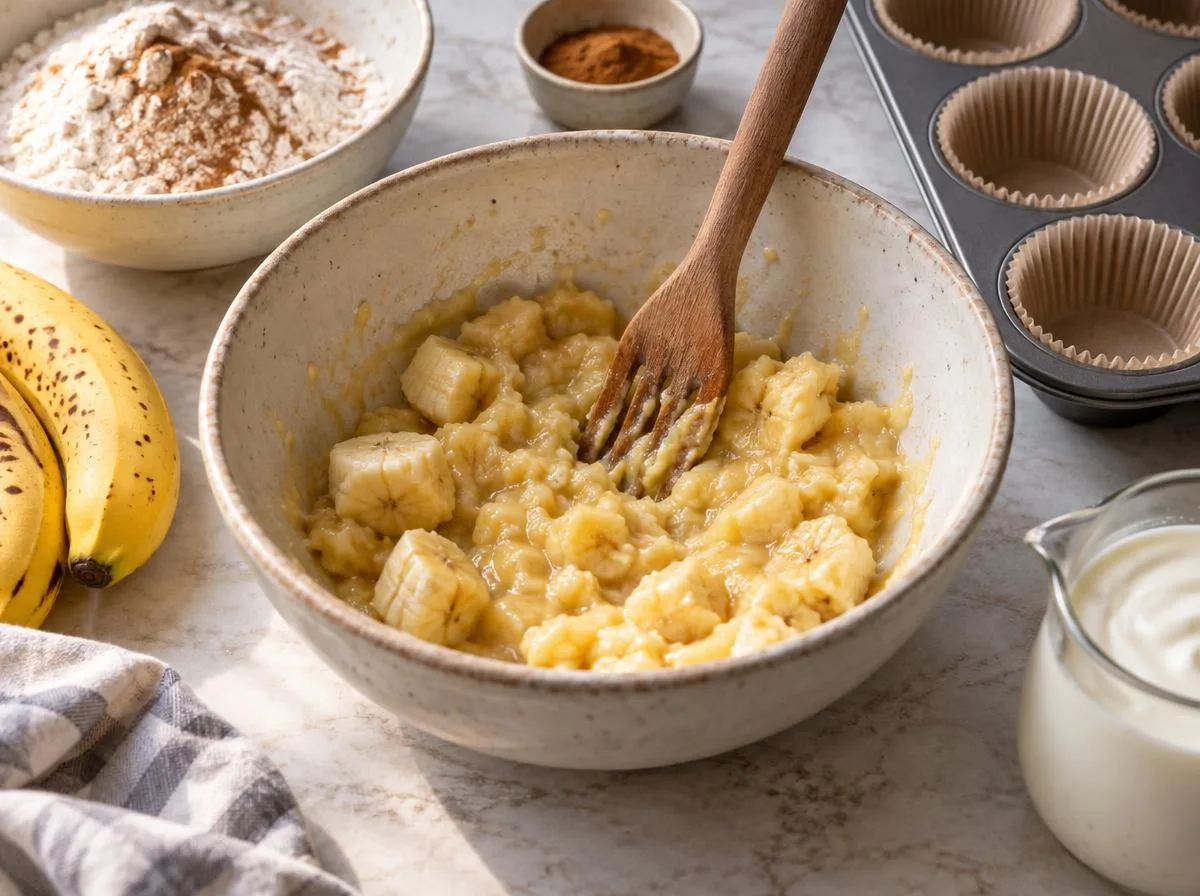
The short answer: unsweetened applesauce, date paste and very ripe banana can each stand in for part of the sugar in a bake. They bring moisture and flavour more than pure sweetness, they still contain natural sugar, and none of them is a one-for-one swap. Think of them as the “less added sugar” option, not the “no sugar” one.
My friends in Mexico love allulose. They also have a fruit bowl, and the question I get from both camps is the same: what do I use when the bag runs out, or when I would rather start with what is already on the counter? Fair question. Devastating news: fruit does not behave like sugar. Good news: it behaves like something more interesting.
Applesauce: replace up to half the sweetener; cut other liquid slightly.
Date paste: about ¾ cup for every 1 cup of sugar; the sweetest of the three.
Ripe banana: one medium banana lets you drop roughly ¼ cup of sweetener.
These are starting points. Every oven and every bake is a little different, so taste the batter and adjust.
Natural Doesn’t Mean Sugar-Free (And That’s Okay)
Let’s get this out of the way. Apples, dates and bananas contain sugar. Dates, in particular, are one of the most sugar-dense fruits you can buy. Swapping them in does not make a recipe sugar-free; it changes where the sweetness comes from. Instead of sugar poured from a bag, you get sweetness that arrives with water, fibre and flavour.
If you want the longer explanation of how labels treat the two, I wrote it up in The Great Sugar Mix-Up: Why an Apple Isn’t a Candy Bar. I am not a doctor and this is not medical advice. This is what happens in a mixing bowl.
“Fruit won’t make a bake sugar-free. It makes it less sweet on purpose, and a lot more interesting.”
The Three Fruit Swaps — And What Each One Does
Best for: Muffins, quick breads, cakes, baked oats.
Applesauce is the quiet one. It tastes like very little, which is its superpower: it disappears into a muffin and leaves moisture behind. USDA lists unsweetened applesauce at about 9.4 g of sugars per 100 g, roughly 23 g per cup*, so it is gentle on sweetness. That also means it cannot carry the whole job. Use it to replace part of the sweetener, and let something else (cinnamon, vanilla, or a little monk fruit or allulose) do the rest.
Read the label: it should say unsweetened or no sugar added. The sweetened jars are right there in the same aisle, and they defeat the purpose.
Shopping in Spanish? Look for compota de manzana or puré de manzana, and check for sin azúcar añadido on the label.
Best for: Brownies, chocolate bakes, spiced cakes, energy bites, no-bake bars.
Dates are the swap that behaves most like sugar, which is exactly why they carry the most of it: USDA lists about 66.5 g of sugars per 100 g*, which works out to roughly 16 g per pitted Medjool date. You get a deep toffee flavour, a sticky texture that holds a bake together, and a darker colour. In chocolate it is lovely. In a lemon cake it is a bad idea.
To make date paste: soak 10 to 12 pitted Medjool dates in hot water for about 10 minutes, then blend with 2 tablespoons of the soaking water until smooth. It keeps in the fridge for about a week. Shopping in Spanish: dátiles, and Medjool are the soft, large ones.
Best for: Muffins, pancakes, oats, cookies, popsicles.
Banana is the most forgiving of the three, as long as it is properly ripe. The peel should be spotted and brown; a green-tinged banana is starchy and barely sweet. USDA lists raw banana at about 12.2 g of sugars per 100 g, so a medium banana lands around 14 g*. The flavour is unmistakable, so it pairs best with cinnamon, chocolate and peanut butter.
You will see it doing exactly this in the Low Sugar Cinnamon Banana Muffins, the Cinnamon Banana Overnight Oats and the Banana Chocolate Popsicles.
Quick Comparison — At a Glance
| Swap | Sweetness | Flavour | Sugars per 100 g* | Best For |
|---|---|---|---|---|
| Unsweetened applesauce | Low | Neutral | 9.4 g | Muffins, cakes, baked oats |
| Date paste | High | Caramel | 66.5 g | Brownies, chocolate, bites |
| Ripe banana | Medium | Banana | 12.2 g | Muffins, pancakes, oats |
*Per USDA FoodData Central (applesauce FDC 171695, dates FDC 168191, banana FDC 173944). Per-date and per-banana figures are estimates based on typical weights.
Fruit Swaps vs Allulose: Which One, When?
They do different jobs. Fruit swaps change the recipe: they add liquid, flavour and colour along with the sweetness. Allulose is the one that behaves like sugar in the oven. It browns, it keeps cakes moist, and it does not announce itself. That is why it is so loved for cookies and brownies, and why I keep going back to it.
The sweet spot is often a mix. Let date paste or banana bring the flavour and moisture, then use a spoonful of allulose or monk fruit for the sweetness you still want. The Low Sugar Cinnamon Banana Muffins work this way: mashed banana does the flavour and moisture, a little monk fruit does the rest. And when a recipe needs the sugar-like behaviour, allulose does it all by itself, as in the Low Sugar Chocolate Chip Cookies and the Chewy Granola Bars.
And if allulose is the thing you cannot find (hello, most of Europe), the full list of what to use instead, with ratios, is in Best Substitute for Allulose in Baking. If you are still deciding between sweeteners, Is Allulose the Best Sugar Substitute? is the place to start.
Common Slip-Ups With Fruit Swaps
- Using sweetened applesauce. The label matters more than the jar.
- Replacing all the sugar at once. The result is damp, pale and not very sweet. Start with half.
- Skipping the liquid adjustment. Fruit is wet. If the batter looks loose, it needs less milk, oil or water.
- Under-ripe bananas. If the peel is not spotted, wait a day or two.
- Expecting no sugar. These swaps lower the added sugar. They do not remove the sugar.
Quick Answers
Can I replace sugar with applesauce 1:1?
Usually not. Unsweetened applesauce is far less sweet than sugar (USDA lists about 9.4 g of sugars per 100 g, where table sugar is almost all sugar), so a straight swap gives you a bake that is moist but bland. Start by replacing up to half of the sweetener with applesauce and cut the other liquid slightly.
Are dates a good sugar substitute?
They are the sweetest of the fruit swaps and they work beautifully in chocolate bakes, brownies and energy bites, because they bring caramel flavour and moisture. They are also concentrated: USDA lists about 66.5 g of sugars per 100 g. Use date paste for flavour and texture, not as a free pass.
Is the sugar in fruit the same as added sugar?
Nutrition labels treat them differently: added sugars are sugars put into a food during processing, while the sugar in whole fruit comes packaged with water and fibre. It is still sugar, though, so fruit swaps give you a bake with less added sugar, not a sugar-free one.
Can I use applesauce, dates or banana instead of allulose?
Partly. Fruit swaps replace some of the sweetness, but they add liquid, flavour and colour, so they change the recipe. Allulose behaves much more like sugar in the oven. Many bakes work best with a mix of the two.
What can I use if I can't find allulose?
Monk fruit, a monk fruit and erythritol blend, or date paste, depending on what you are baking. The full breakdown with ratios is in the Best Substitute for Allulose guide.