Is Allulose the Best Sugar Substitute? What I Use After 4 Years

I have a drawer in my kitchen that my husband calls “the evidence room.”
It’s full of white powders. Erythritol. Monk fruit. Stevia. A bag of something called tagatose that cost $22 and tasted like regret. A half-used pouch of xylitol that I bought because the internet said it was “natural,” then learned it’s toxic to dogs. I have a dog.
Four years ago I started swapping sugar because my doctor said insulin resistance and my jeans filed a formal complaint. I thought erythritol was the answer. The internet promised it was “just like sugar” with zero calories. So I made brownies.
They tasted like cold air. My book club ate them to be polite. Then they all texted me later with… let’s call them digestive opinions. I’m still not invited back.
Monk fruit made my coffee taste like artificial cough syrup. Stevia made everything bitter, like it was mad at me. Then I found allulose.
Allulose is what I reach for 80% of the time now. It’s the reason my kids ask for seconds of my “sugar-free” chocolate cake. It’s why my brownies are actually fudgy, not cakey, not gritty, not weird.
What Is Allulose? And Why It’s Not “Fake Sugar”
Allulose is a “rare sugar” that exists in small amounts in figs, raisins, and maple syrup. Your body treats it very differently from table sugar.
- Calories: 0.4 calories per gram vs sugar’s 4. That’s 90% less.
- Blood sugar: After regular brownies I hit 168mg/dL. After allulose brownies: 104mg/dL. That’s my glucose monitor and me having a conversation at 9pm — not medical advice, just data.
- Taste: 70% as sweet as sugar. No bitter aftertaste. No cooling effect. It actually tastes like sugar.
- It browns and caramelises. This is the big one. Erythritol won’t brown. Monk fruit won’t caramelise. Allulose does. My cookies have chewy edges. My crème brûlée actually brûlées.
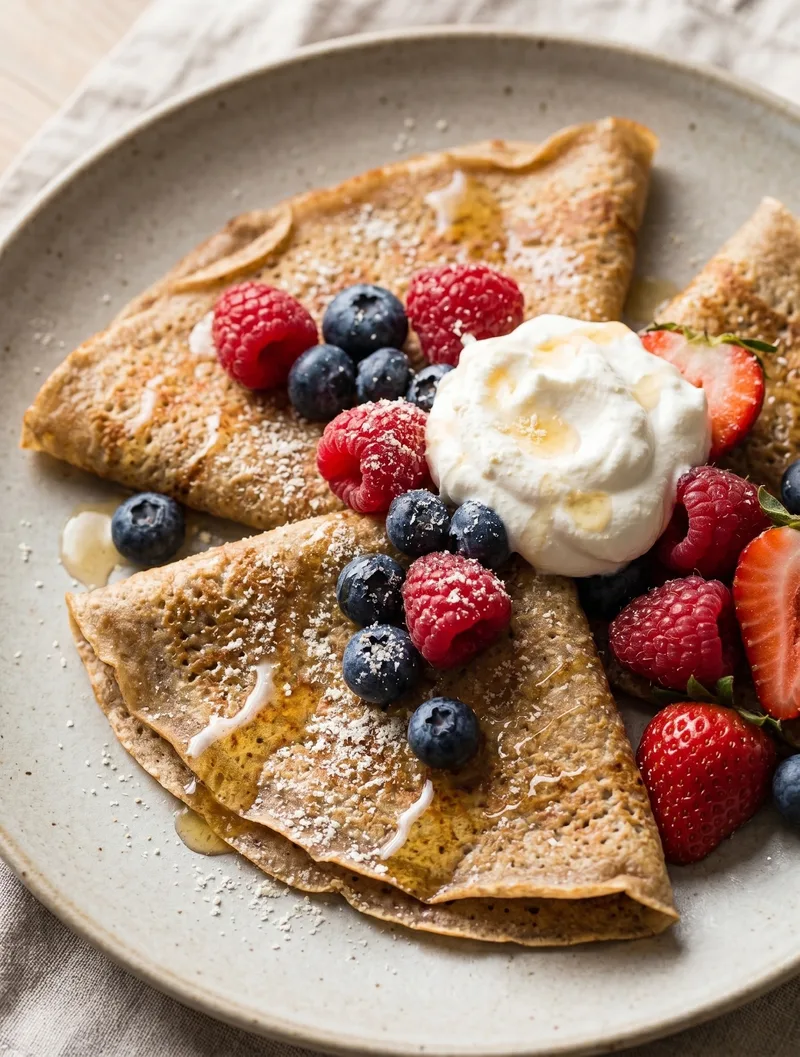
Allulose cookies actually spread and brown — the thing no other substitute does.
Why Allulose Changed Everything for Baking
Baking without sugar is hard because sugar isn’t just sweet — it’s structure, moisture, browning, chew. Here’s what failed before allulose:
- Erythritol brownies: Gritty. Hard the next day. Left a cooling sensation like I’d licked a winter sidewalk. The book club incident. We don’t talk about it.
- Monk fruit cookies: Spread flat. Stayed pale. Tasted weirdly floral. My kids called them “sad disks.”
- Stevia anything: Bitter aftertaste. Ruined my coffee. Ruined my marriage for 20 minutes after stevia cheesecake.
Allulose stays soft and fudgy. Erythritol recrystallises and makes cookies hard as rocks on day 2. If I’m baking anything — brownies, cookies, cakes, muffins — allulose is my first choice. 80% of my dessert recipes use it.
When Allulose Fails — And What I Use Instead
Problem 1: It’s not as sweet. 70% as sweet as sugar, so use 1⅓ cups for every 1 cup of sugar. My fix: combine with drops of liquid monk fruit for cold things.
Problem 2: It’s expensive. A 3lb bag is $25–35. I use it where it matters: desserts, sauces, anything I bake. Not my coffee.
Problem 3: It doesn’t work for everything. No-bake recipes, yeast breads, hard candy — allulose has limits.
| Situation | What I Use | Why |
|---|---|---|
| Coffee, cold drinks | Liquid monk fruit | No aftertaste, dissolves instantly |
| No-bake desserts | Powdered allulose + monk fruit | Dissolves better cold |
| Yeast breads | 1 tsp sugar for yeast only | Yeast needs real sugar to activate |
| When cost matters | Allulose + erythritol blend (max 25%) | Cuts cost, reduces side effects |
Allulose vs Monk Fruit vs Erythritol — My 4-Year Verdict
Allulose
Best for baking, caramel, sauces. Tastes like sugar, browns, no aftertaste. Expensive, 70% as sweet. My desert island sweetener.
Monk Fruit
Best for coffee, cold drinks. Zero calories, no aftertaste if pure. Doesn’t bulk or brown. Lives next to my coffee maker. Not in my baking drawer.
Erythritol
Cheap, adds bulk. Cooling effect, digestive issues, recrystallises. I never use it alone. Only in a blend, max 25%. Book club still remembers.
Stevia
Natural, zero calories. Bitter aftertaste, ruins everything. Hard pass. Life’s too short for bitter chocolate.
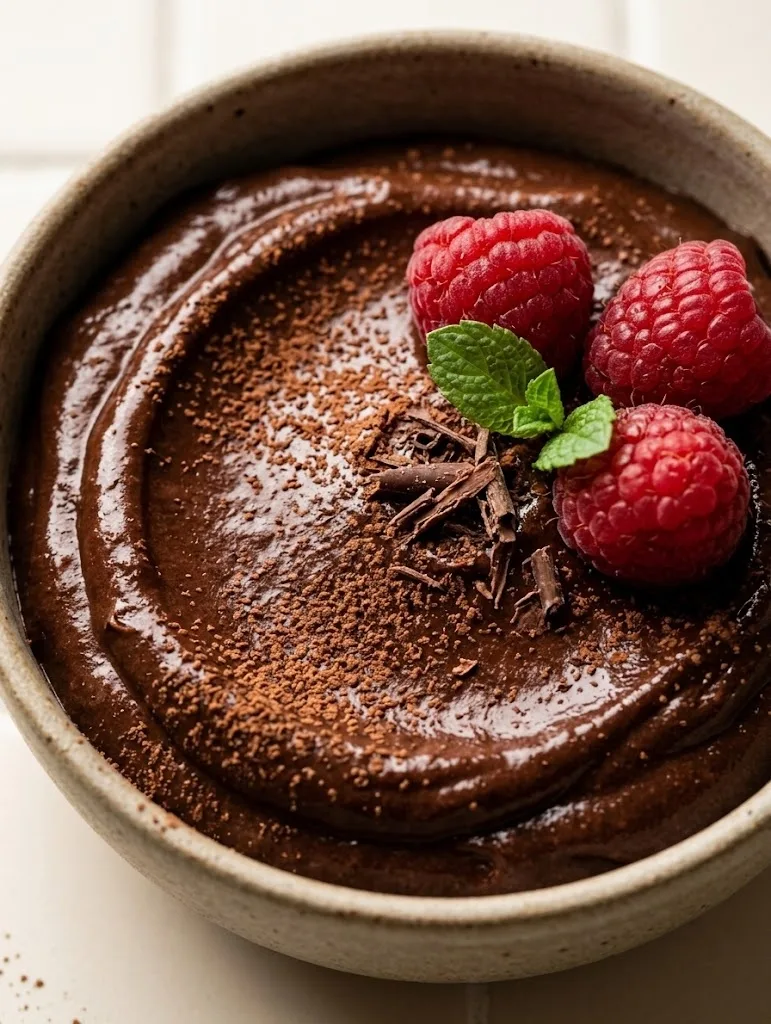
Fudgy allulose brownies — the book club test. If they ask for the recipe, you win.
The Brands I Actually Buy
- Wholesome Allulose — my main brand. Melts well, consistent. Available on Amazon.
- RxSugar Allulose — pricier but dissolves fastest. I use it for sauces.
- Lakanto Liquid Monk Fruit Drops — for coffee. One bottle lasts 6 months.
What I check on labels: if “erythritol” is the first ingredient, I put it back. If “maltodextrin” or “dextrose” is listed — that’s sugar in disguise. Hard no.
This Isn’t Keto — It’s Just Sustainable
I eat fruit. I eat corn tortillas. I eat beans. I eat real food. I just eat way less sugar than I used to. Allulose lets me bake cookies my kids actually eat, have caramel sauce without the glucose spike, and eat dessert without feeling like garbage after.
The only eating plan that works is the one you don’t quit. I quit keto twice. I quit “clean eating” after 3 weeks. I haven’t quit swapping sugar in 4 years. That’s the difference.
FAQs
Does allulose taste like sugar?
Yes. 70% as sweet, identical flavour. No bitter, no metallic, no cooling. My kids can’t tell the difference.
Is allulose safe?
The FDA says GRAS — Generally Recognized as Safe. I’ve been using it 4 years. Ask your doctor if you have specific concerns.
Why is allulose so expensive?
It’s a rare sugar that’s hard to produce. Use it strategically — only where it matters — so a bag lasts 2 months.
Can I bake with 100% allulose?
Yes. Use 1.3x the sugar amount. Or add ¼ tsp liquid monk fruit to bump sweetness without adding more volume.
Does allulose cause stomach issues?
For most people, no. Unlike erythritol and xylitol, allulose is generally well tolerated. Moderation always.
So, is allulose the best sugar substitute? For baking, yes. Buy a small bag. Make brownies. See if your book club forgives you.