
The Cookie That Proves Allulose Is Worth the Fuss
I have made chocolate chip cookies with monk fruit alone. They were sweet. They had chocolate in them. They were not, in the meaningful sense, cookies. They were slightly sweet, slightly chocolatey domes that spread about as far as their ambition took them, which was not far. The texture was what you might describe as "fine" if you were being diplomatic, or "a bit cakey and dry" if you were not.
This is the allulose version. It spreads properly. The edges caramelise lightly. The centre stays soft. These are actual cookies in the physical and emotional sense of the word, and they go in a lunchbox or come out of the oven and get eaten immediately, both of which are correct choices.
One thing: allulose browns faster than regular sugar. Check at 10 minutes. Use baking paper, not a dark tray.
*Estimated using USDA FoodData Central

The Swap Snapshot
| Typical Version | The Sugar Swap Version | Sugar per cookie* |
|---|---|---|
| Brown sugar chocolate chip cookie Brown sugar provides sweetness, spread and chew — 8g total sugar per cookie |
Allulose Chocolate Chip Cookies Allulose provides the same spread, chew and light browning — 1g from dark chocolate |
8g→1g |
*Estimated using USDA FoodData Central. Not medical advice.
Ingredients
Makes 18 small cookies · Store 4 days airtight
- 180g (1½ cups) plain flour
- ½ tsp baking soda
- ¼ tsp fine sea salt
- 113g (½ cup) unsalted butter, softened
- 120g (½ cup) ⇄ allulose — the brown sugar swap
- 1 large egg
- 1 tsp vanilla extract
- 100g (3.5oz) 85% dark chocolate, roughly chopped

Instructions
- 1
Heat oven to 175°C / 350°F. Line two baking trays with baking paper.
- 2
Whisk the flour, baking soda, and salt in a bowl.
- 3
Beat the butter and allulose for 2 minutes until creamy. Beat in the egg and vanilla.
⇄ Swap NoteThis is the classic allulose application. Allulose contributes moisture and behaves like brown sugar during baking — it gives the cookie its spread, its soft chewy centre, and the light caramelisation on the edges. Monk fruit cannot do this. See monk fruit vs allulose for the full explanation, and allulose substitutes for more on what allulose actually does in baked goods.
- 4
Fold in the flour mixture, then the chopped dark chocolate.
- 5
Scoop 18 portions onto the trays, leaving room for spreading. Chill for 20 minutes.
- 6
Bake 10–12 minutes. Edges should look set while the centres still look slightly underdone. Cool on the tray 5 minutes before moving — they firm up as they cool.
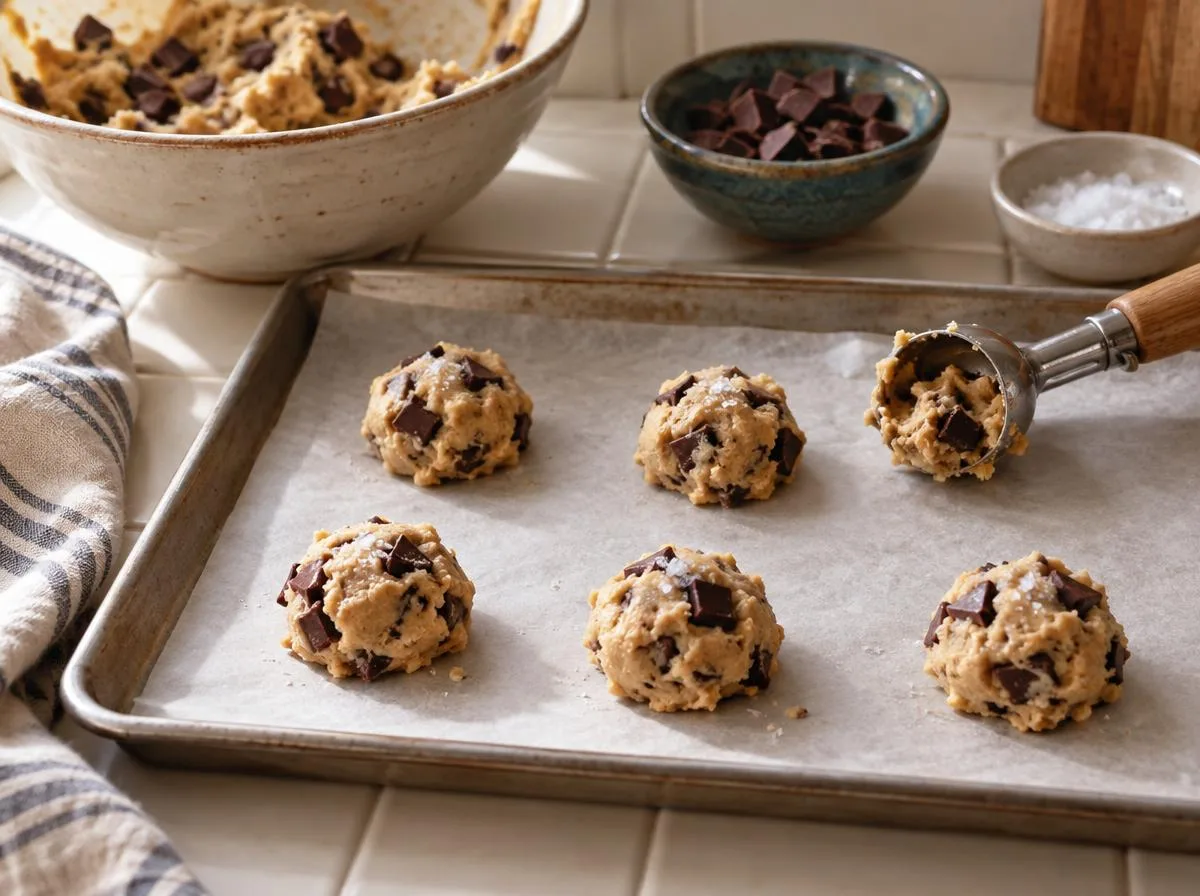
Dough portioned and ready. The 20-minute chill happens now — it's the difference between a proper cookie and a flat disc.
Why Allulose is the Right Swap for Cookies
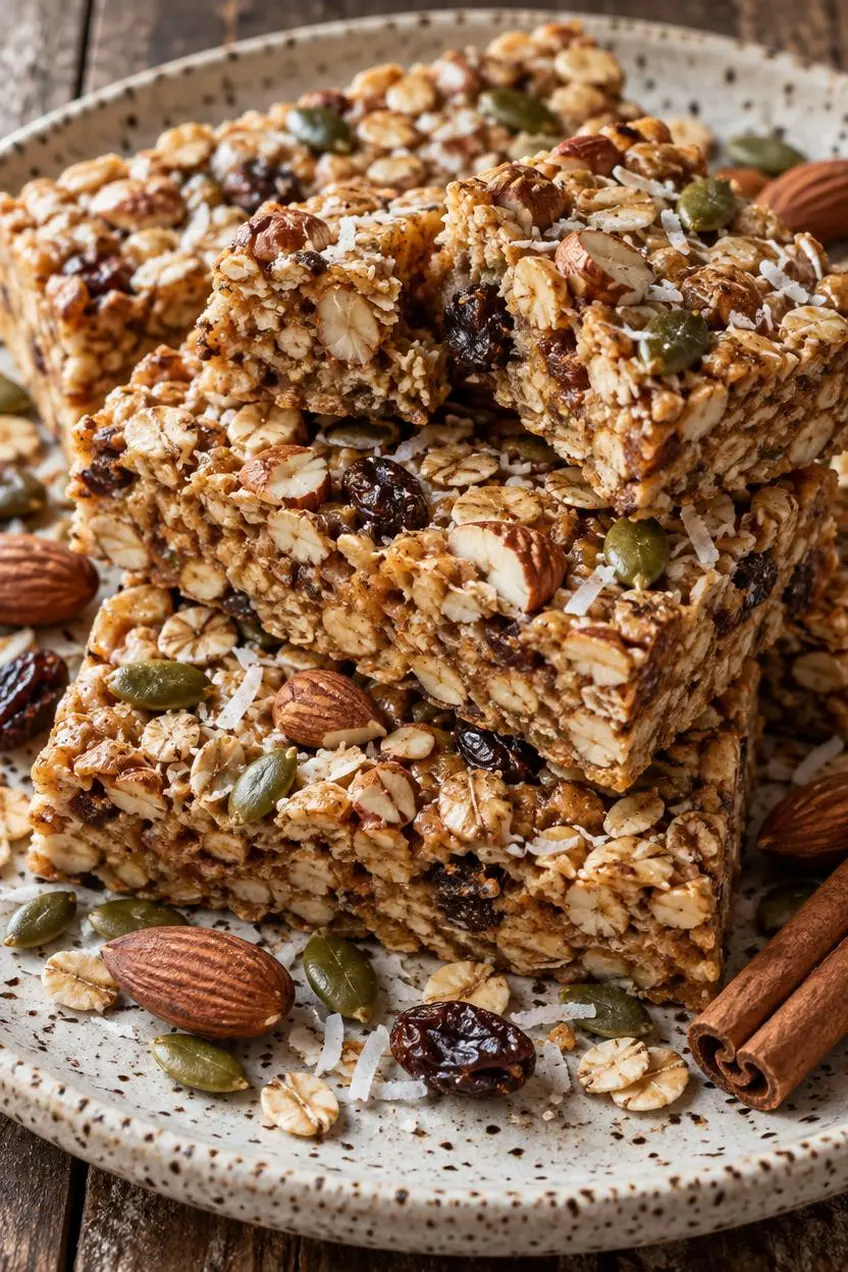
Brown sugar in a cookie isn't just providing sweetness — it's responsible for the spread (sugar melts and flows during baking), the soft centre (hygroscopic sugar retains moisture), and the caramelised edges (sugar browning). Replace it with a high-intensity sweetener alone and you lose all three. Allulose replicates all of them: it melts, it retains moisture, and it browns lightly. It does brown faster than regular sugar, which is why the oven check at 10 minutes matters and baking paper (not a dark tray) is recommended. This is exactly why allulose is the swap for the granola bars too — anywhere sugar is doing a structural job, allulose is the right replacement. See the allulose substitutes guide for the full picture.
Common Mistakes
- Skipping the chill. Cold dough spreads more slowly and gives a better cookie. 20 minutes minimum.
- Baking on a dark tray. Allulose browns faster than sugar. Light-coloured tray plus baking paper keeps the bottoms from getting too dark.
- Taking them out when they look done. They firm up off the heat. Pull them when the edges are set and the centres still look slightly underdone.
Storage
Store in an airtight container for up to 4 days. They stay soft because allulose retains moisture — which is the same property that makes them chewy in the first place.
Nutrition per cookie
*Estimated using USDA FoodData Central · Typical version: 8g sugar · 1g comes from 85% dark chocolate · Allulose contributes 0g sugar · Not medical advice.
Frequently Asked Questions
Can I use milk chocolate instead of 85% dark?
You can, but milk chocolate contains 15–20g of sugar per 25g, which would significantly increase the sugar content of the finished cookie. 70% dark is a reasonable middle ground if 85% feels too intense — it has around 7g of sugar per 25g vs 15g+ in milk chocolate.
My cookies spread too much — what happened?
Almost always caused by skipping or shortening the chill. Also check your butter wasn't too soft or melted when you beat it — it should be softened (holds its shape but gives when pressed) not liquid.
Can I use allulose syrup instead of granulated?
Not in this recipe — liquid allulose changes the wet-to-dry ratio and affects the texture. Granulated allulose only here.