
The Great Sugar Mix-Up: Why an Apple Isn't a Candy Bar (Even if Your Brain Thinks It Is)

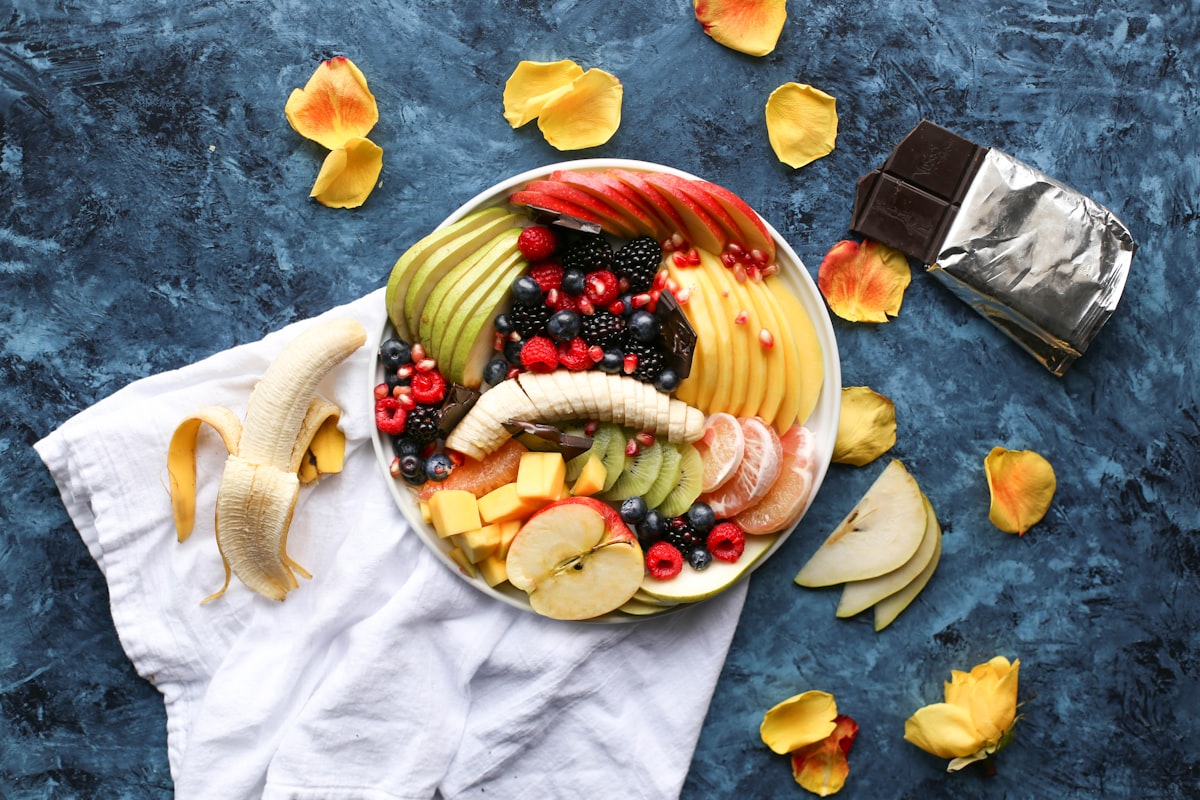
Okay, let's have a little chat about sugar. If you're anything like me, you've probably stood in the supermarket aisle, squinting at a nutrition label, wondering whether the "sugar" in your innocent-looking smoothie is the good kind or the I-need-to-hide-this-from-my-dentist kind. It's exhausting, isn't it?
I'm not a nutritionist. I'm just someone who went down a very long research rabbit hole after my body quietly changed the rules on me — and didn't send a memo. What I found actually made the whole thing a lot less confusing. So here's the version I wish someone had given me three years ago, over coffee, without a PowerPoint.
The absolute truth about sugar
Here is the thing: your body, bless its heart, processes all sugar in roughly the same way. Whether it comes from a beautiful, sun-ripened peach or a neon-pink cupcake, your digestive system breaks it down into glucose. Same molecule. Same destination.
But — and this is a massive, life-changing but — the way that sugar is packaged makes all the difference in the world.
Natural sugar comes with an entourage. Added sugar arrives alone, kicks the door down, and causes chaos. Same guest. Completely different entrance.
Natural sugar: the VIP with an entourage
Natural sugar — the kind found in whole fruit and dairy — arrives with fibre, vitamins, and minerals in tow. The fibre acts like a very polite bouncer, slowing down how quickly sugar enters your bloodstream. The result? A steady, manageable stream of energy rather than a full-scale spike-and-crash situation.
This is why the CDC recommends whole fruit over juice. The fruit has its fibre intact. The juice has had it removed — which means that lovely mango smoothie is now behaving a lot more like a fizzy drink than you'd hope.
Added sugar: the gatecrashing kind
Added sugar is the stuff manufacturers put into products — think sodas, biscuits, flavoured yogurts, pasta sauces, and approximately everything labelled "low fat." (We'll come back to that last one. It deserves its own conversation.)
Because added sugar has no fibre, nothing to slow it down, it rushes straight into your bloodstream. Insulin spikes. Energy soars briefly. Then crashes hard, usually around 3pm, leaving you desperately hunting for a nap or the nearest biscuit tin. Which, rude.
According to the Dietary Guidelines for Americans, most adults should keep added sugars below 10% of daily calories. On a standard 2,000-calorie day, that's roughly 50 grams — about 12 teaspoons. A single can of regular soda gets you most of the way there before lunch.
How to actually read the label
On a US Nutrition Facts label, there are now two separate lines:
- Total Sugars — everything, natural and added combined
- Added Sugars — only the stuff put in during manufacturing
The number to watch is Added Sugars. Under 5% Daily Value = low. 20% DV or more = high. Everything in between is where most of us actually live, which is fine — it's just useful to know.
Plain full-fat yogurt: natural sugars from milk, zero added. Flavoured "low-fat" yogurt: often 15–20g of added sugar per pot. The low-fat version is frequently the worse choice. I know. It's a lot.
So what does this mean practically?
It means you don't need to fear fruit. Whole fruit is genuinely fine — the fibre is doing its job. What's worth watching is the stuff manufacturers add to things that didn't need sweetening in the first place.
If you want a proper guide to which swaps actually work — in baking, in drinks, in everyday cooking — the Swap Guide is exactly that. It's the resource I built for myself first, when I was standing in the kitchen trying to figure out whether allulose was actually useful or just expensive. (Spoiler: genuinely useful.)
And if you're curious about why I became so obsessed with figuring this out, the whole story is over on my About page. Fair warning: it involves a doctor's appointment, a spreadsheet, and the gradual realisation that "eating well" is a lot more complicated than anyone tells you.
Frequently asked questions
Is natural sugar better than added sugar?
Same molecule, very different experience. Natural sugar comes packaged with fibre and nutrients that slow absorption. Added sugar has none of that — which is why it hits faster and harder.
How do I spot added sugar on a label?
Look for the "Added Sugars" line on the Nutrition Facts panel — required on all US labels. Under 5% Daily Value is low; 20% or above is high.
Is fruit sugar bad for you?
Whole fruit, generally no — the fibre slows everything down significantly. Fruit juice is a different story, since the fibre has been removed. The CDC recommends whole fruit over juice for exactly this reason.
Sources
- Dietary Guidelines for Americans 2020–2025 — dietaryguidelines.gov
- CDC: Get the Facts — Added Sugars — cdc.gov
- FDA: Changes to the Nutrition Facts Label — fda.gov