Best Low Sugar Breakfast Ideas — That Actually Keep You Full

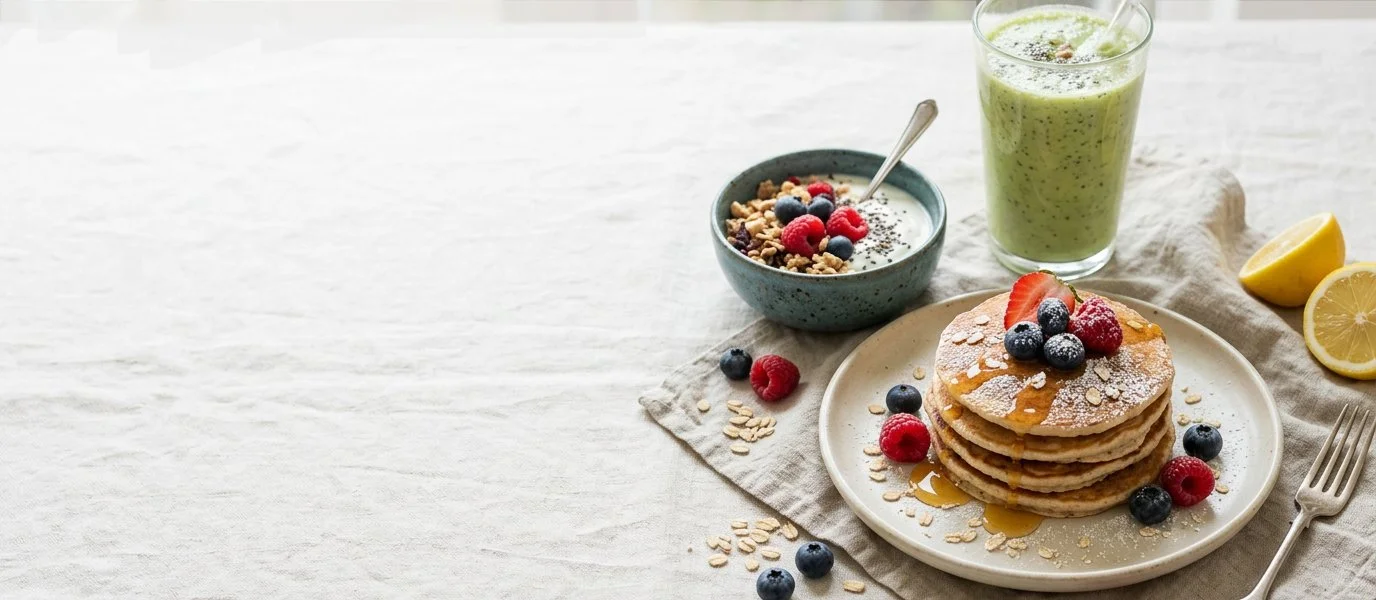
I used to think I was eating a healthy breakfast. Granola. Orange juice. A yogurt from the fridge that had a picture of fruit on it. Very responsible. Very grown-up. Then I started checking labels and found 47 grams of sugar before 9am. Before I'd done anything. Before I'd even had a second coffee.
The thing about breakfast sugar is that it's particularly sneaky because it hides in foods we've been told are healthy. Granola. Fruit juice. Flavoured yogurt. Cereal with "whole grain" printed in large confident letters on the front. These aren't bad foods — but most versions of them have had a startling amount of sugar added, and the effect on your morning is real.
A high-sugar breakfast causes a glucose spike. That spike is followed, inevitably, by a drop. The drop is why you're staring blankly at your screen by 10:30am wondering if it's acceptable to have lunch yet. It's not a willpower problem. It's a breakfast problem.
A high-sugar breakfast isn't just a sugar problem. It's the reason the whole morning feels harder than it needs to.
Where breakfast sugar actually comes from
Before the ideas, it's worth knowing what you're actually looking for. The biggest breakfast sugar offenders:
- Flavoured yogurt — a standard fruit yogurt can contain 15–20g of added sugar. Plain full-fat Greek yogurt has essentially zero, and the fat keeps you full until lunch.
- Granola — most shop-bought granola is between 8–14g of sugar per serving, often made with honey, maple syrup, or both. The homemade version uses a fraction of that.
- Fruit juice — even fresh-squeezed orange juice is around 21g of sugar per glass. The fibre that would slow down the sugar absorption is gone. Whole fruit is always the better call.
- Flavoured oat sachets — instant porridge sachets marketed as healthy breakfasts often contain 10–12g of added sugar per serving. Plain oats with your own toppings contain none.
- Breakfast cereals — even the ones that look sensible. Many "whole grain" cereals contain 8–12g of sugar per bowl before you've added anything.
The swap in every case is the same: go back to the base ingredient and add your own sweetness, or use a low-sugar alternative. The Swap Guide has the full breakdown of every sweetener worth knowing about.
The best low sugar breakfast ideas
These are the breakfasts that actually work — satisfying enough to get you through to lunch without a crash, quick enough to make on a weekday, and genuinely good enough that you stop missing the sugary version after about three days.
The protein-first breakfasts
- Creamy scrambled eggs with spinach — eggs are one of the most filling breakfasts you can have, zero sugar, and the spinach adds iron and makes you feel virtuous in a way that's actually justified.
- Greek yogurt bowl with berries — plain full-fat Greek yogurt, a handful of berries, and a sprinkle of nuts. Naturally sweet from the fruit, no added sugar, and the protein keeps you full for hours.
- Avocado toast with a poached egg — the fat from the avocado and protein from the egg make this one of the most blood-sugar-stable breakfasts you can have. Use bread where sugar isn't in the top five ingredients.
The make-ahead breakfasts
- Cinnamon banana overnight oats — made the night before, naturally sweet from banana and cinnamon, no added sugar required. The oats release slowly and there's no 10am crash.
- Chia pudding — stir, refrigerate, done. High in fibre and omega-3s, and the coconut milk version is genuinely indulgent without being sugary.
- Low sugar granola bars — make a batch on Sunday, have breakfast sorted for the week. The monk fruit version is identical to the original except for the part where it doesn't spike your blood sugar.
The proper weekend breakfasts
- Buckwheat crepes with berries — buckwheat has a lower glycaemic impact than white flour, the berries are naturally sweet, and these feel like a proper treat without being one from a sugar perspective.
- Sugar-free banana pancakes — banana does the sweetening, no added sugar needed, and these are genuinely good enough that nobody at the table will ask where the syrup is.
- Roasted pears with Greek yogurt — the roasting concentrates the natural sweetness of the pear. With a spoonful of almond butter and some granola, this is a breakfast that makes mornings feel worth getting up for.
Swap flavoured yogurt for plain full-fat Greek yogurt and add your own fruit. Takes the same amount of time, eliminates 12–15g of added sugar immediately, and the full-fat version keeps you full until lunch in a way the low-fat version never will. Start here if you start nowhere else.
The breakfast recipes on this site
All of these are in the Breakfast section — built on the same principle: real food, one swap, nothing removed that didn't need removing.
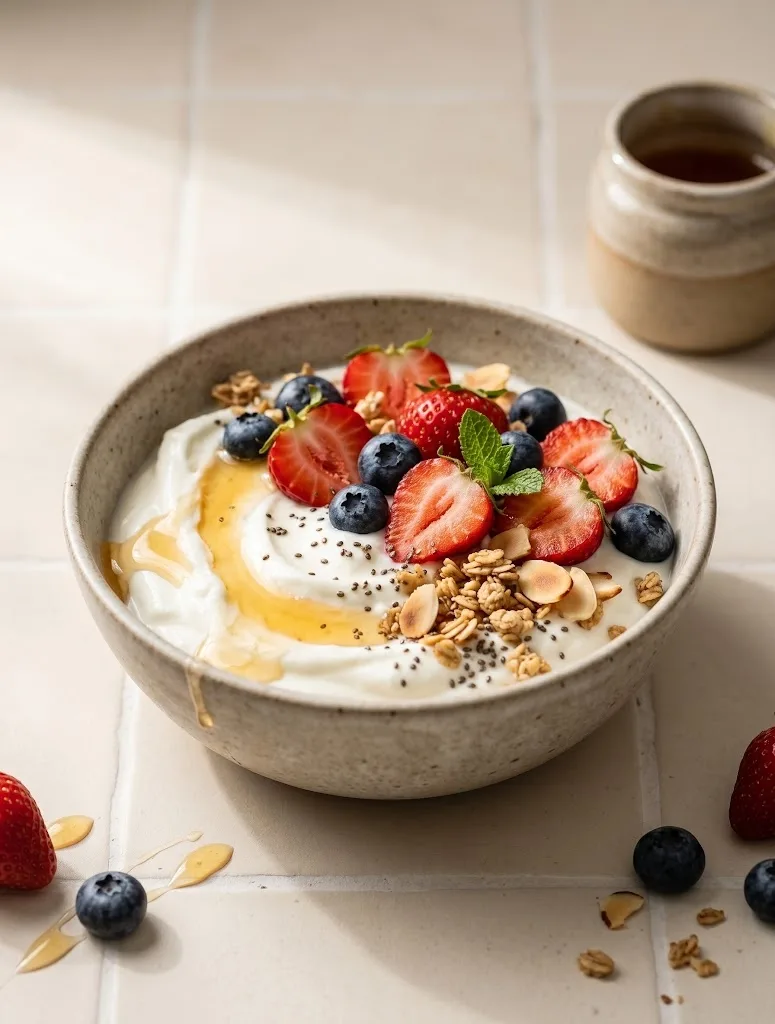
Greek Yogurt Bowl with Berries
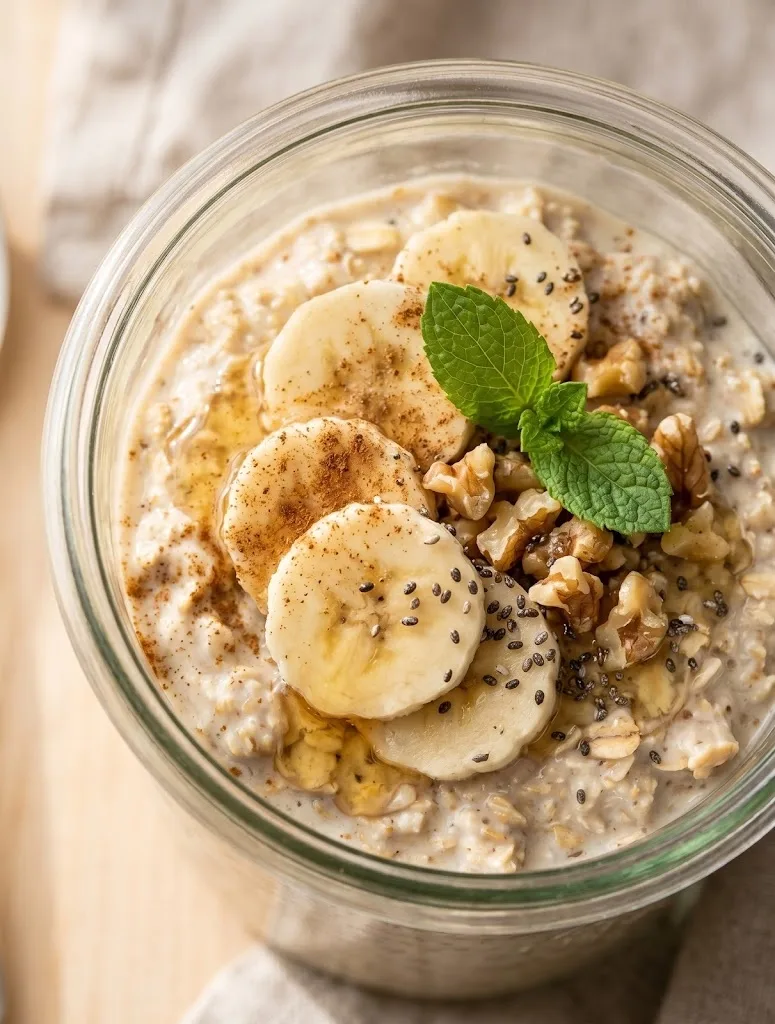
Cinnamon Banana Overnight Oats
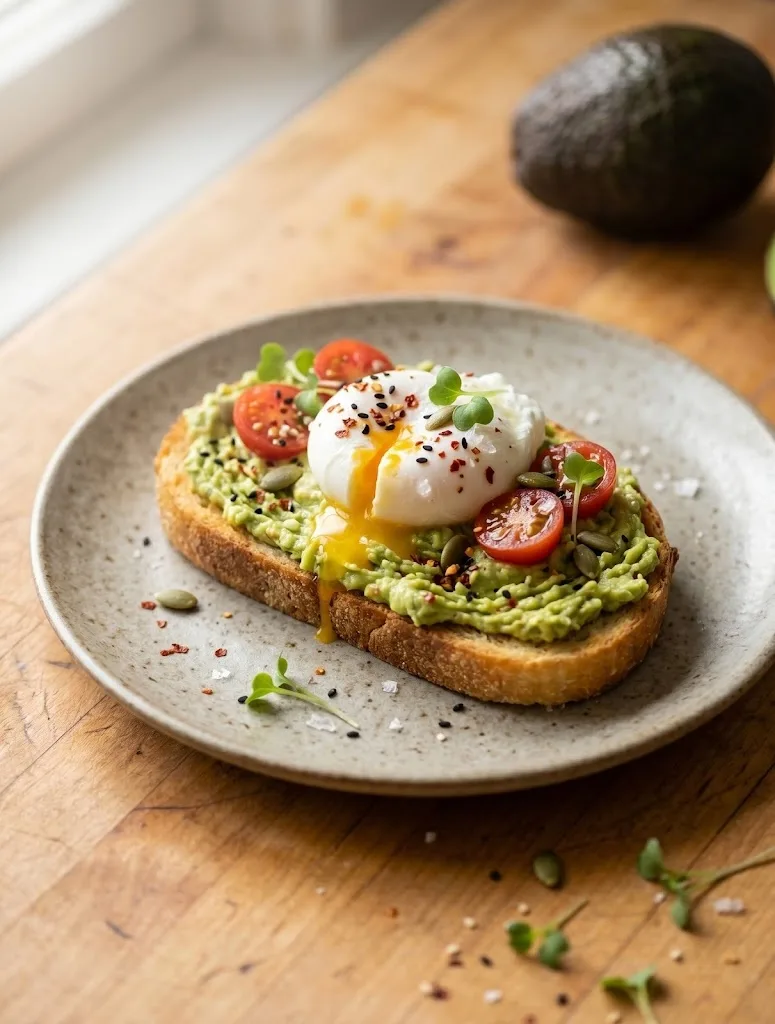
Avocado Toast with Poached Egg
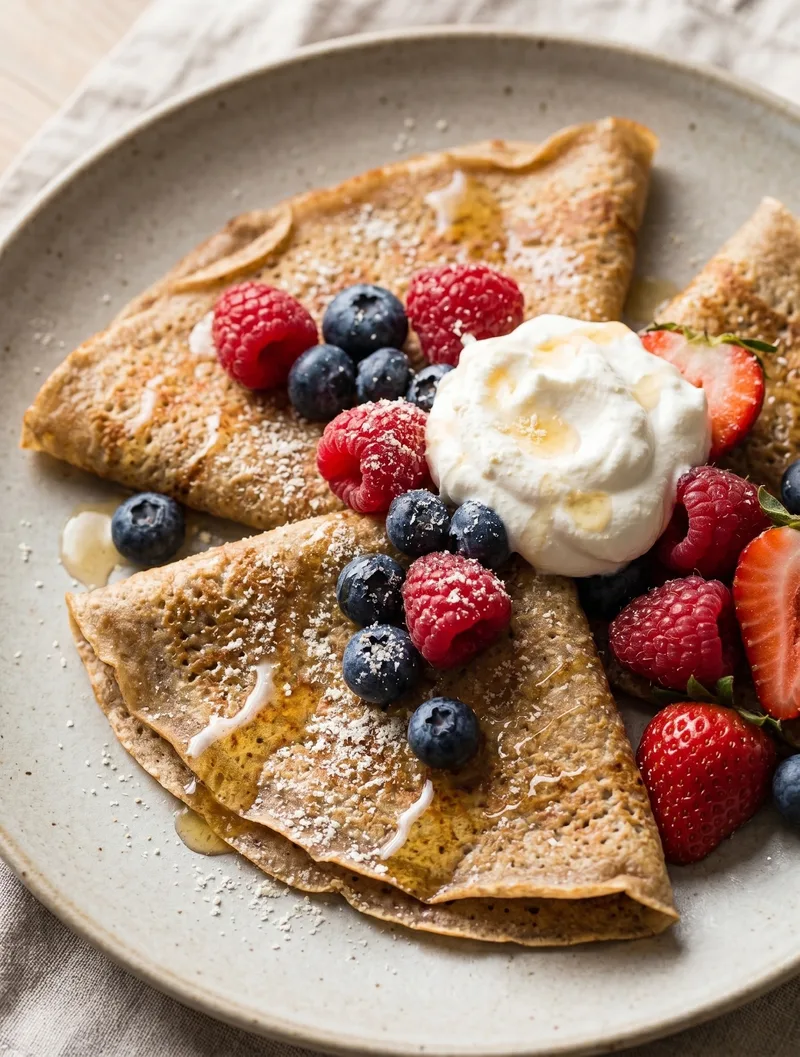
Buckwheat Crepes with Berries
Why breakfast matters more than any other meal
Breakfast sets the glucose tone for the entire day. A high-sugar breakfast creates a spike that your body then overcorrects, leaving you in a low that makes the rest of the morning harder. A lower-sugar breakfast — especially one with protein and fat — keeps glucose stable, which means steadier energy, fewer cravings, and a genuinely better morning.
This is the core of what the Glucose Goddess method talks about — starting the day with something that doesn't immediately destabilise your blood sugar. You don't need to track anything or buy any supplements. You just need a different breakfast.
The other thing worth knowing: it compounds. One low-sugar breakfast doesn't transform your energy. But a week of them will, and a month of them genuinely changes how your mornings feel. It's the swap that pays back the fastest.